
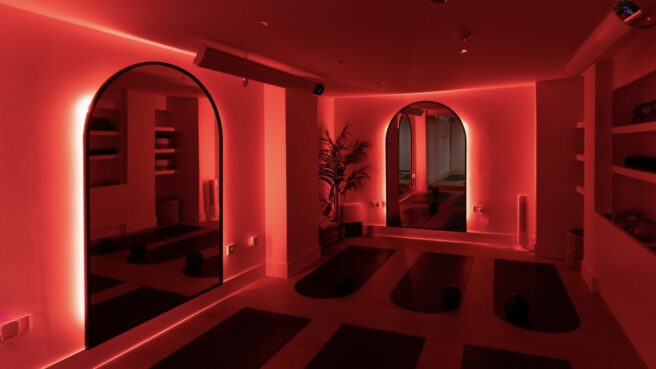
Red Light Pilates is the wellness trend everyone’s talking about
Pilates has had its grip on the wellness world for a while now, but the latest evolution of the trend is something a bit different. Red Light Pilates is quickly becoming one of the most talked-about fitness concepts around, and once you hear what it actually involves, it’s not hard to see why.
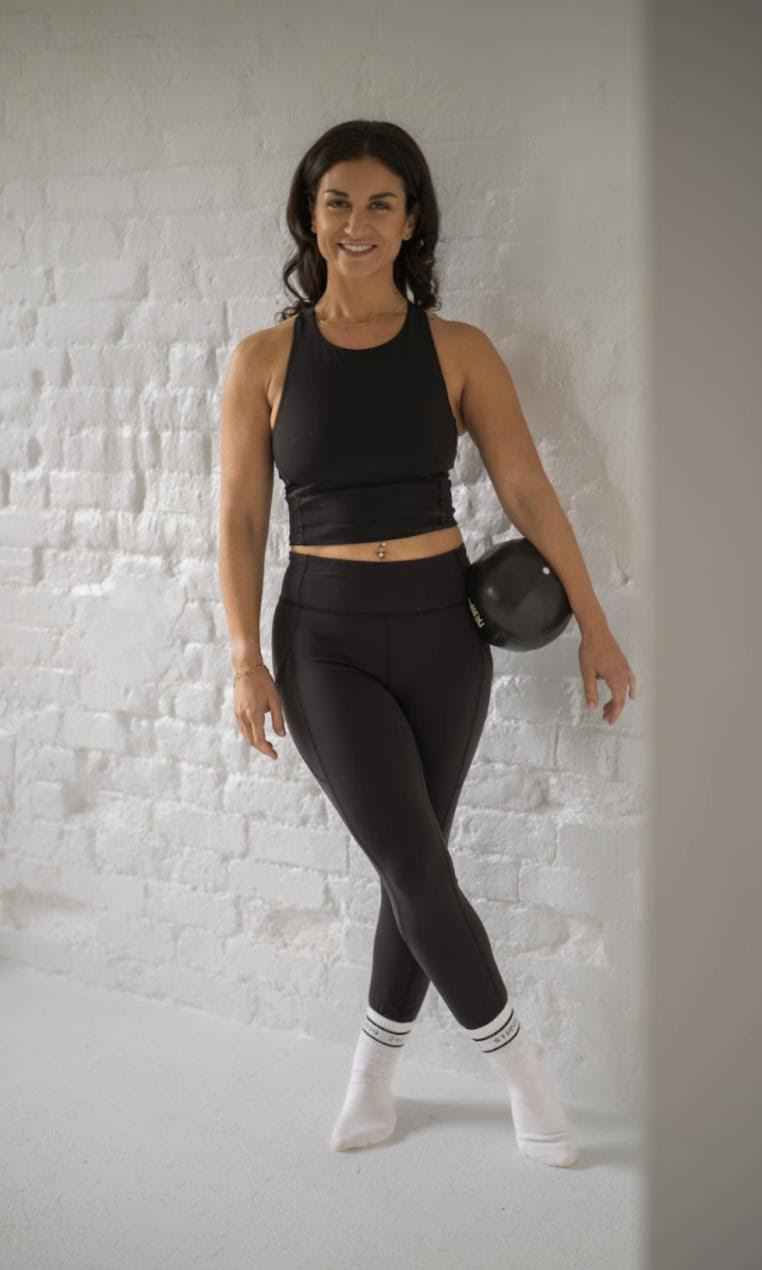
At the centre of it all is Georgia Testa, founder of Studio 281, a boutique Pilates and wellness brand that has been quietly building a very loyal following. The concept combines traditional Pilates with red light therapy delivered directly through specially designed mats during class. Not infrared-heated rooms or wall-mounted panels — the light comes through the mat itself, keeping your body in direct contact with it the whole way through the session.
It sounds a little sci-fi. It also sounds like exactly the kind of thing that would blow up on your social feeds within the next six months. But beyond the aesthetic appeal, there are some genuinely compelling reasons people are getting obsessed with it.
You work hard without feeling destroyed after
If you’ve ever skipped a workout because you’re still sore from the last one, this is the pitch for you. The combination of low-impact Pilates with red light therapy means clients are building strength and endurance without the brutal recovery time that comes with higher-intensity training. “People are looking for smarter ways to exercise,” says Testa. “They want to feel strong and energised after a workout, not completely wiped out.”
The mats used at Studio 281 deliver 660nm red light and 850nm near-infrared light throughout the entire class — the kind of wavelengths associated with muscle recovery and reducing inflammation. So recovery isn’t something you do afterwards. It’s happening while you move.
Your skin gets something out of it too
If you’ve fallen down the LED face mask rabbit hole, you already know red light therapy has serious beauty credentials. Full-body exposure is a newer idea, but clients at Studio 281 are noticing the difference. “Many clients notice a healthy post-workout glow,” says Testa. “It’s one of those unexpected benefits people often comment on after class.” For anyone already interested in collagen support and skin health as part of a wider self-care routine, it’s a pretty appealing bonus.
Then there’s the mental side of things. The immersive, low-intensity environment encourages you to actually slow down — which, if your life currently involves approximately forty browser tabs open at once, isn’t nothing. “We live in a world where we’re constantly switched on,” says Testa. “Many clients tell us they leave class feeling mentally lighter and more balanced, as well as physically stronger.”
It’s fitness built for the long game
Perhaps the most telling thing about the Red Light Pilates trend is what it says about where wellness is heading. The era of punishing yourself through extreme fitness challenges is losing ground. What’s replacing it is a more considered approach — movement you can actually sustain, that supports how you want to feel at 40, 50 and beyond.
“People aren’t just exercising for summer anymore,” says Testa. “They’re thinking about how they want to move, feel and age in the future. Pilates, recovery and longevity have become much bigger conversations in wellness, and that’s exactly where Red Light Pilates fits.”
It’s a shift that makes a lot of sense. Fitness culture is growing up, and Red Light Pilates might just be where it’s headed next.