
Ireland Signs Up to Major European Stroke Action Plan
Here’s a stat that might make you put down your coffee: one in four of us will have a stroke in our lifetime. One in four. That’s you, your best mate, your mum, your colleague who always brings in the good biscuits.
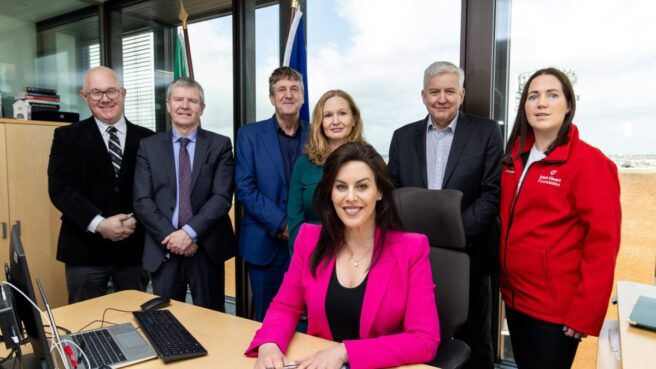
It’s the kind of figure that feels too big to be real, but it’s exactly why Minister for Health Jennifer Carroll MacNeill is signing Ireland up to the Stroke Action Plan for Europe today. She’s also confirmed that a new National Stroke Strategy is on the way.
What’s actually happening?
The Stroke Action Plan for Europe (SAPE, if you’re into acronyms) is basically a continent-wide commitment to improving stroke care from start to finish. Prevention, early treatment, rehabilitation, after-care… the lot. Ireland is now officially on board.
Minister Carroll MacNeill said: “I’ve signed the Stroke Action Plan for Europe in recognition of the high burden of stroke on individuals, families, carers and society. We know that as our population ages, the incidence of stroke is expected to rise substantially.”
She’s not exaggerating. Research predicts new stroke cases in Ireland could jump by up to 59% by 2040. The main reason? We’re all getting older. (Depressing, but true.)
The numbers you need to know
Around 6,000 people in Ireland have a stroke every year. That’s not counting transient ischaemic attacks (the “mini strokes” you’ve probably heard mentioned). Over 60,000 stroke survivors are living in communities across the country right now.
Stroke is the second leading cause of death in the developed world. In Ireland, it’s the leading cause of acquired adult physical neurological disability. It’s also linked to dementia, depression, falls, and loss of independent living. The healthcare costs alone are estimated at 4% of direct spending.
Professor Ronan Collins, Clinical Lead for the HSE’s National Stroke Programme, put it plainly: “Today marks a major milestone in the future direction of stroke care in Ireland. The burden of stroke is enormous on Irish society.”
What comes next?
The new National Stroke Strategy won’t be dreamed up in a vacuum. Patients, clinicians, academics and advocacy groups will all have input. It’s being developed alongside a broader Cardiovascular Plan (heart disease, stroke and similar conditions share a lot of the same risk factors, so it makes sense to tackle them together).
Chris Macey, Director of Advocacy and Patient Support at the Irish Heart Foundation, called it “a landmark day for stroke care in Ireland.”
“The signing of the Action Plan marks a solid commitment to the development of comprehensive prevention, acute treatment and rehabilitation services that will minimise death and disability from stroke,” he said.
The Government has already invested over €13 million since 2022 in stroke prevention and care. That money has gone towards the Chronic Disease Management programme, Acute Stroke units, and Early Supported Discharge Teams, which help patients regain independence after leaving hospital.
None of this is glamorous stuff. It won’t trend on TikTok. But when stroke cases are predicted to rise by more than half over the next two decades, getting the infrastructure right now feels less like bureaucracy and more like common sense.
If you want the full details on the Stroke Action Plan for Europe, you can find them at actionplan.eso-stroke.org.