Before you scrub, sanitise, rub, rinse, clean or cleanse – read this

Even in those homes (we’re not pointing fingers) that could be described as ‘au natural,’ household cleaning products are a pretty standard presence.
And you’d be surprised where chemicals crop up: bleach and oven cleaners are the more obvious examples, but also on the same hit-list are the likes of paints, glues, oils and weed-killers.

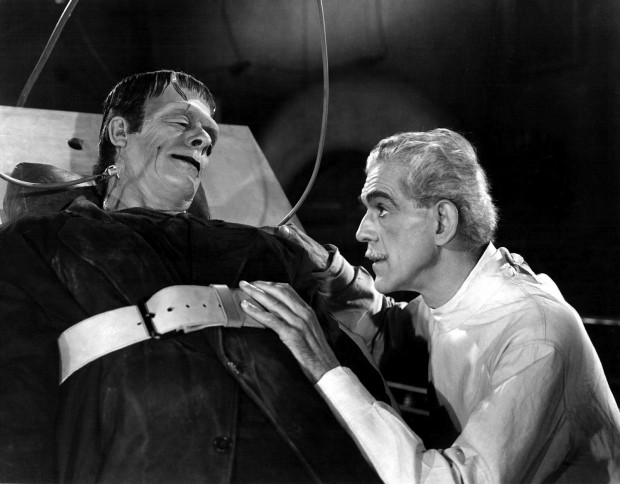
Yes, it’s unlikely you’ll turn into Frankenstein’s monster just by cleaning the bathroom or giving your fridge a good scrub (most chemicals you use at home are not dangerous if you use them properly) but the reality is that these products need to be handled with care.
Indeed, it is important to be able to recognise the everyday things that could harm you.
So, slathering a load of undiluted bleach on the floor of your unventilated bathroom is at best ill-advised – and at worse, it’s something that could prove very hazardous indeed.
Thankfully, help is at hand – namely the labels which feature on the back of all household products. These help you identify the more dangerous chemicals in your home, so yes, it is really important that you always read the label.
There, you will see hazard symbols which will tell you if the chemical is potentially dangerous, as well as information on how to use the chemical safely. The rules for these symbols have changed recently, so you may see old and new symbols on the products you are buying. Some of the more common symbols are as follows:

Before you scrub or sanitise, rub or rinse, clean or cleanse, take note of the following:
- Only use as much of the product as you need
- If the product is dangerous, remove pets, children and their toys from the area
- Open windows
- Do not leave chemicals unattended
- Do not mix chlorine bleach and ammonia as this forms a highly toxic gas
- After using a chemical, wash any part of you that came in contact with the chemical
Make sure to store and dispose of chemicals safely too – referring to label for instructions. And never transfer chemicals into other containers, or store them near food.
To dispose of a dangerous chemical safely, you should take it to your local waste and recycling centre. Never pour dangerous chemicals down the drain unnecessarily.
If you swallow or come into contact with a dangerous chemical contact your GP or call the National Poison Information Centre on 01 8092166 or poisons.ie. General queries can also be directed to the Chemicals Helpdesk at the Health and Safety Authority on chemicals@hsa.ie or by calling 1890 289 389. For more information, click here.