
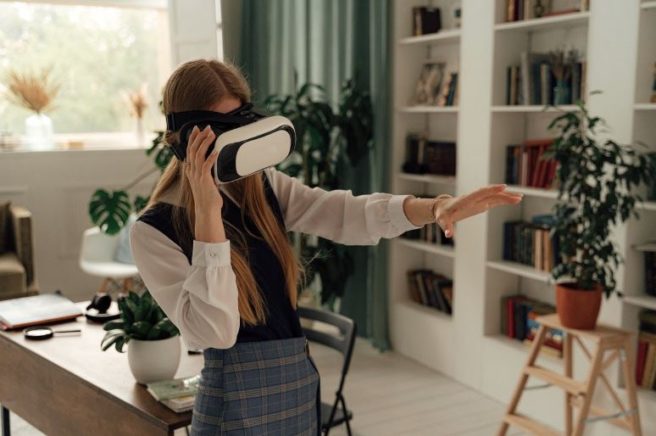
Improve your anxiety management via a virtual clinic
In recent years, a huge focus has been placed on mental health, and especially on new and better treatments for anxiety and depression. Methods like virtual reality therapy and other modern techniques have been the talk of many therapists and other medical professionals as a more convenient and helpful tool to improve dealing with mental health issues. Virtual clinics have helped deal with many disorders, diseases, and injuries offering patients online services, and virtual reality headsets.
So, what are virtual clinics and how can they help deal with a condition like anxiety?
Virtual clinics
The new era has brought many great advances in dealing with mental issues since more and more people are experiencing depression, stress, anxiety, and other common conditions. People look for different ways of dealing with these issues like home treatment, visiting a professional who deals with mental health issues, and now, a more advanced and helpful technique – virtual clinics.
A virtual clinic offers virtual treatments by real therapists in dealing with chronic conditions, and mental health issues, engaging in treatments from the comfort of the patient’s home. Provided help by licensed therapists that work with their patients remotely, using video calls or a virtual reality headset to optimize the treatment in real-time. These new techniques have proven to be not only convenient for different types of patients but also a cheaper option.
VR technology has advanced drastically in recent years and has become especially popular since the pandemic because it offers home treatments. Patients who have trouble leaving their homes, or those living in rural areas with limited medical access have had the most benefit from this modern technology. Virtual clinics have helped cut down on filled hospital halls and decreased the number of patients in waiting rooms.
How does VR therapy help in dealing with anxiety?
VR therapy allows patients to deal with their problems without having to leave their homes which makes it more convenient for them. It helps them escape their worries and break down concerns into manageable parts, resulting in a better way of dealing with them. VR therapy has also proven to help deal with phobias since it encourages patients to face their fears and develop coping mechanisms in a safe environment controlled by professionals.
This type of therapy can help those with different types of anxiety by overcoming them and continue working on improving anxiety management. Things like exam anxiety, public speaking anxiety, anxiety that leads to depression, can be overcome by the help of therapists who guide their patients through the process of facing their issues and helping them move past them.
One study shows that VR therapy programs appear to be delivering promising outcomes, and found significant improvements in quality of life for patients dealing with different types of disorders. The barriers of seeking help have been lowered since VR healthcare has become more accessible, and has greatly helped in dealing with issues on time.
What to expect from VR in the future?
It is still unknown, and we are yet to see what we can expect from this amazing technology. Studies are yet to be conducted as people are more open to using a different kind of treatment to deal with ongoing issues. As one of the most common mental health issues of the modern world, anxiety has slowly become a leading condition among many, and unfortunately children, too.
Another great thing about VR is that it not only helps adults dealing with mental health issues and pain, but it also helps children with similar conditions. Going through puberty and dealing with anxiety has been a great challenge for parents and medical professionals, but the good news is that children are more open to trying out these fun VR headsets. Digital therapy has become equally effective as a face-to-face meeting, but a less stressful and convenient option.
Also, virtual clinics have helped doctors keep better records of their patient’s conditions and progress. Hopefully, this will make the healthcare system better, and patients would be encouraged to seek out medical help and do regular checkups to prevent and deal with conditions on time. From this standpoint, the future of medical care using VR technology seems pretty good.
From the outset, clinics have seen exceptional results in dealing with different conditions us VR technology and VR mental health services are becoming crucial to help address rising anxiety rates, remotely. It is without a doubt that this will continue to be an important and helpful technique that is used.