

One woman’s stark fertility funding reality
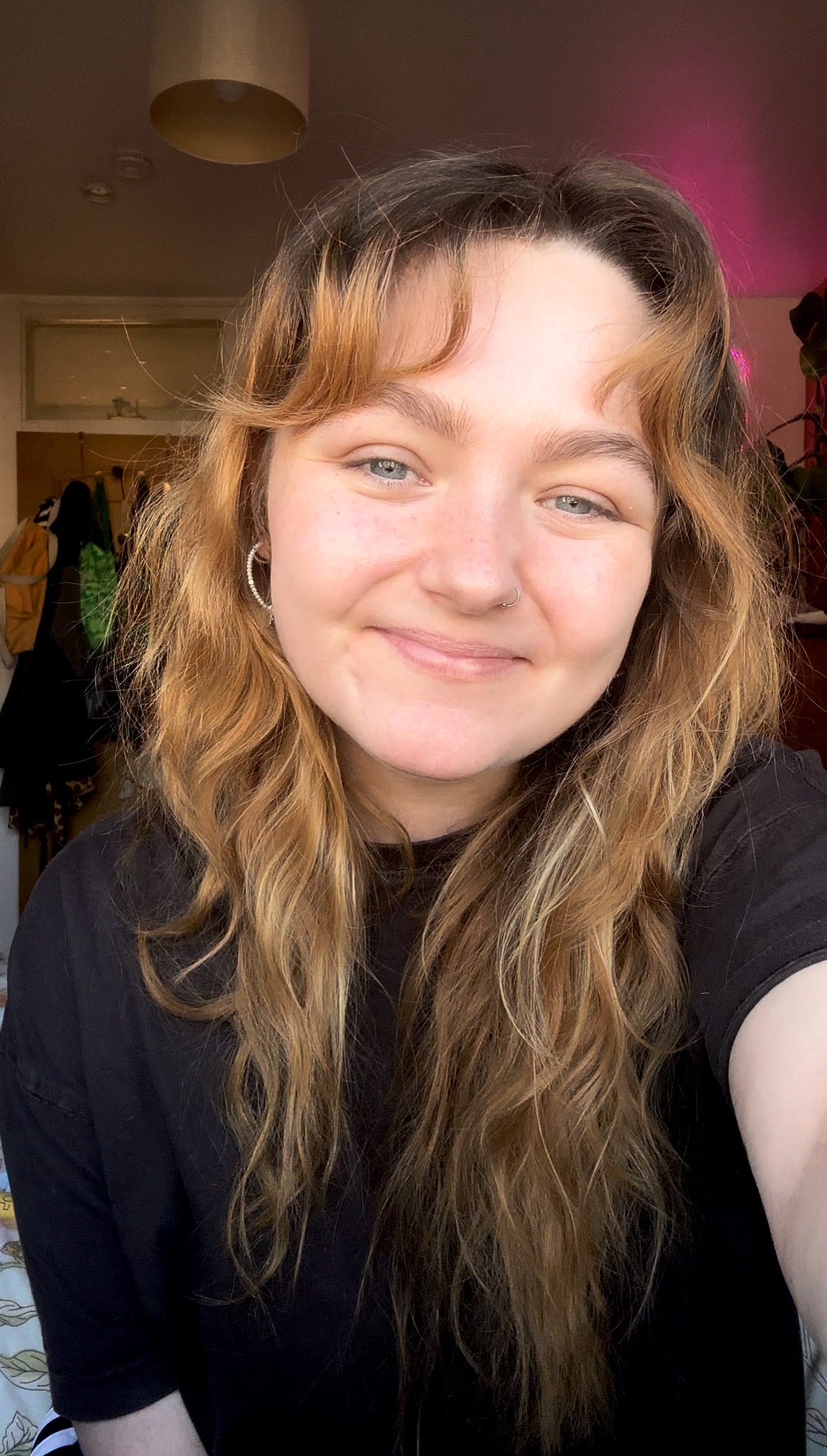
Ireland’s new HSE scheme offering state-funded IVF to women whose infertility is linked to endometriosis has been widely welcomed — but for many women, the damage was already done long before any funding arrived. For Raphaella Stewart, 27, that reality is painfully familiar.
An endometriosis advocate and founder of Menstrual Health Ldn, Raphaella spent seven years trying to get answers about her health. It took Raphaella seven years to receive a formal diagnosis. Her condition was first identified via MRI in 2022, and she didn’t receive surgery until 2024. Years of pain, uncertainty and being told it was probably nothing — a story that will resonate with countless women across Ireland and the UK.
Told to pay for egg freezing before treatment could begin
When Raphaella finally reached the point of receiving NHS-funded treatment for her endometriosis, she was given a stark and shocking piece of information: she would need to fund her own egg freezing first. The reason? The treatment itself carried a risk to her fertility, and the medical advice was to preserve her eggs before proceeding.
She wasn’t offered a funded pathway for this. She was simply told to find the money herself.
Egg freezing is not a small expense. It’s a process that involves hormonal stimulation, monitoring appointments, the retrieval procedure itself and then ongoing storage costs — and none of that came with a helping hand. Raphaella paid privately, out of pocket, because she had no other option if she wanted to protect her future fertility while also treating the condition that had been making her life a misery for nearly a decade.
Why this matters for women in Ireland right now
The HSE’s new IVF scheme represents a genuine step forward. For women in Ireland who have been dealing with infertility as a direct result of endometriosis, the prospect of state-funded IVF is significant — it acknowledges, at last, that this is a medical need and not a lifestyle choice.
But Raphaella’s story is a reminder of how many women fall through the cracks in the gap between diagnosis and treatment. The Irish endometriosis community knows this gap well. Long waiting lists, difficulty getting referrals, symptoms dismissed as normal period pain — it’s a well-documented pattern. And when fertility is at stake, every month of delay has consequences that no scheme, however welcome, can fully undo.
Raphaella, who also works with Purpl — a UK savings platform designed specifically for disabled and chronically ill people — has spoken out about her experience in the hope that it pushes the conversation forward. Both in the UK, where she received her treatment, and in Ireland, where the funding landscape is finally beginning to shift.
The conversation Ireland needs to keep having
Endometriosis affects roughly one in ten women. Many of them are in their twenties and thirties, at exactly the age when fertility feels most urgent, most precious and most vulnerable. The HSE scheme is a welcome development but the question of what happens to the women who needed help before it existed — and those who still can’t access timely diagnosis — hasn’t gone away.
Raphaella’s willingness to speak openly about what she went through, including the financial burden of privately-funded egg freezing, is exactly the kind of testimony that can shape policy. It puts a human face on a system that, for too long, has left women to manage an incredibly serious condition largely on their own.
If you’ve been affected by endometriosis or are navigating Ireland’s new IVF funding pathway, speaking to your GP about a specialist referral is the first step. You don’t have to have all the answers before you start asking the questions.