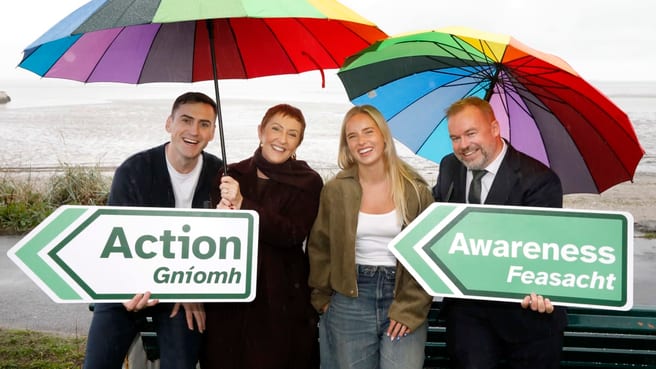
Majella, Aidan and Aoibhinn back new Irish mental health initiative
Most of us know the feeling. You notice a friend going quiet, a colleague who seems off, a family member who just isn’t themselves. And then what? You want to say something, but you’re not quite sure how to start, or whether it’s your place, or what to do if they actually open up.
That gap between noticing and knowing what to do is exactly what a new Irish initiative is trying to close. MindShift Ireland, a national programme from St John of God University Hospital, launched this week on Sandymount Beach, with mental health advocate Majella O’Donnell, Olympian boxer Aidan Walsh and content creator Aoibhinn Raleigh all lending their voices to the cause. The timing is deliberate: World Mental Health Day falls this Saturday, 10th October.
The launch, rainbow umbrellas and all, went ahead in typically Irish weather conditions — which, let’s be honest, felt quietly appropriate for a campaign about showing up even when things are grey.
From awareness to actual action
MindShift Ireland builds on more than a decade of mental health training in Ireland. More than 37,000 people across the country have already completed Mental Health First Aid training through the organisation formerly known as Mental Health First Aid Ireland. The rebranded MindShift brings that work together with another programme called The Working Mind, creating one platform focused on equipping ordinary people with practical skills rather than just good intentions.
Donal Scanlan, Head of MindShift Ireland, put it plainly: “Over the past decade, Mental Health First Aid Ireland has helped thousands of people across Ireland build the confidence and skills to recognise when someone may be struggling and know how to respond. We have also seen a real change in how openly people talk about mental health, but awareness alone is not enough. MindShift Ireland is the next stage of that journey. Our ambition is simple: to help more people know what to notice, know what to say and know what they can do, whether at home, at work, in schools or in their communities.”
That last bit matters for anyone reading this. At home. In schools. In communities. Not just in workplaces or clinical settings — in the everyday places where most of us actually live.
What the ambassadors had to say
Majella O’Donnell spoke from personal experience. “From my own experience, I know how important it is to have people around you who notice when something isn’t right and who aren’t afraid to start a conversation,” she said. “You don’t have to be an expert to make a difference, but having the confidence to ask, listen and know where someone can get help is incredibly important. We have become much better at talking about mental health, and the next step is making sure people feel equipped to act on that awareness.”
Aidan Walsh, who recently completed Mental Health First Aid training himself, was similarly direct. “Knowing that somebody is struggling and knowing how to respond are two different things,” he said. “Doing Mental Health First Aid training gave me practical tools and more confidence around those conversations. You may never know when a teammate, friend or family member is going to need support, so having those skills is something I think can benefit everyone.”
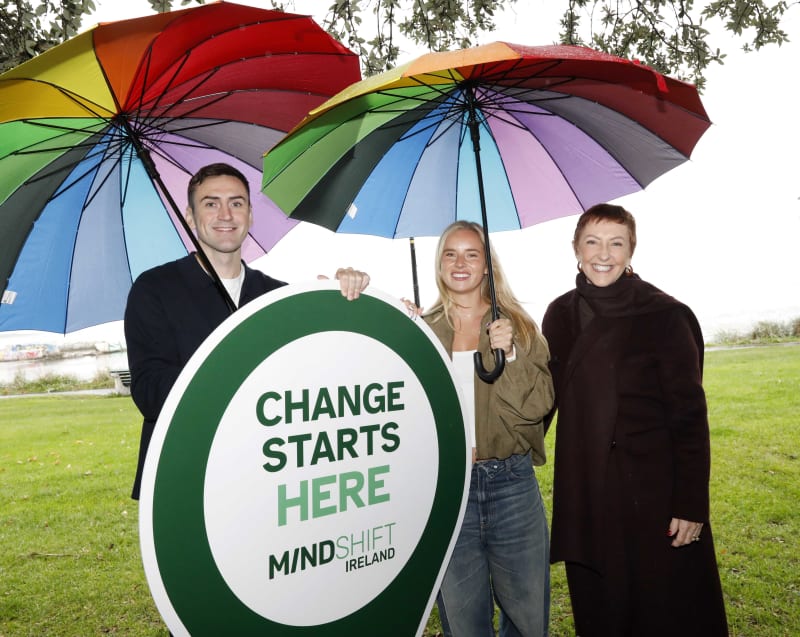
For Aoibhinn Raleigh, who is also freshly trained in Mental Health First Aid, the initiative resonates through the lens of online life. “Social media means people can feel very connected, but it also means creators and others in trusted positions can receive messages from people who are genuinely struggling and looking for help,” she said. “I’ve seen first-hand how important it is to know how to respond appropriately rather than feeling like you need to have all the answers yourself. For me, MindShift is about giving more people that confidence — knowing how to listen, what you can do and when someone needs additional support.”
That will ring true for a lot of parents too. How many of us have had a teenager go quiet, or a WhatsApp message from a friend that didn’t quite sit right, and wondered what the right thing to say actually was?
What MindShift Ireland offers
The two core programmes are Mental Health First Aid, which trains people to recognise and respond to mental health problems and crises, and The Working Mind, a workplace-focused programme aimed at reducing stigma and building a shared, practical language around mental health. MindShift works across workplaces, schools, communities and public services.
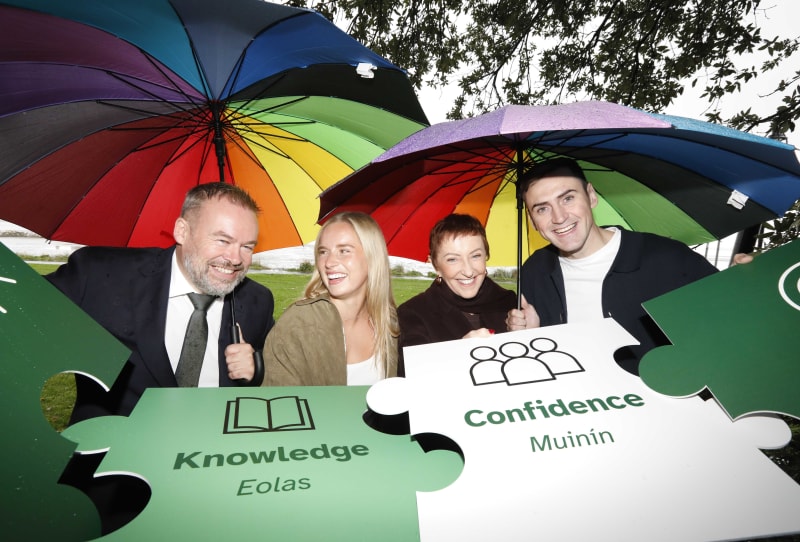
The kind of knowledge they’re talking about doesn’t require you to become a therapist or have all the answers. It’s closer to knowing basic first aid — you might never need it, but the day you do, you’ll be very glad you have it. And given that one in four of us will experience a mental health difficulty at some point, the chances are that someone in your circle already needs that from you.
For more information, visit mindshift.ie.